Expert Tree Services in West Pennant Hills
Looking for a professional arborist in West Pennant Hills? Our experienced climbing arborists provide safe, insured tree removal, pruning, lopping, palm clean-up, mulching, and stump grinding across the The Hills District area. We're your local tree care specialists, fully qualified, environmentally responsible, and committed to the highest safety standards.
Tree Care in West Pennant Hills: A Local Overview
Set within the Sydney region, West Pennant Hills mixes older established homes with newer infill development, and the tree stock here reflects that blend of heritage plantings and self-sown natives. Brush Box and Turpentine feature in the taller, established gardens of West Pennant Hills, long-lived natives that hold heavy timber and need careful rigging when reduction or removal is required. Root encroachment on foundations, paths, and pipes is a common callout in West Pennant Hills, and we help clients decide between root pruning, canopy reduction, or removal. From the first inspection to the final sweep of your West Pennant Hills site, the process is structured, insured, and built around protecting both the tree and your property.
Our Services in West Pennant Hills
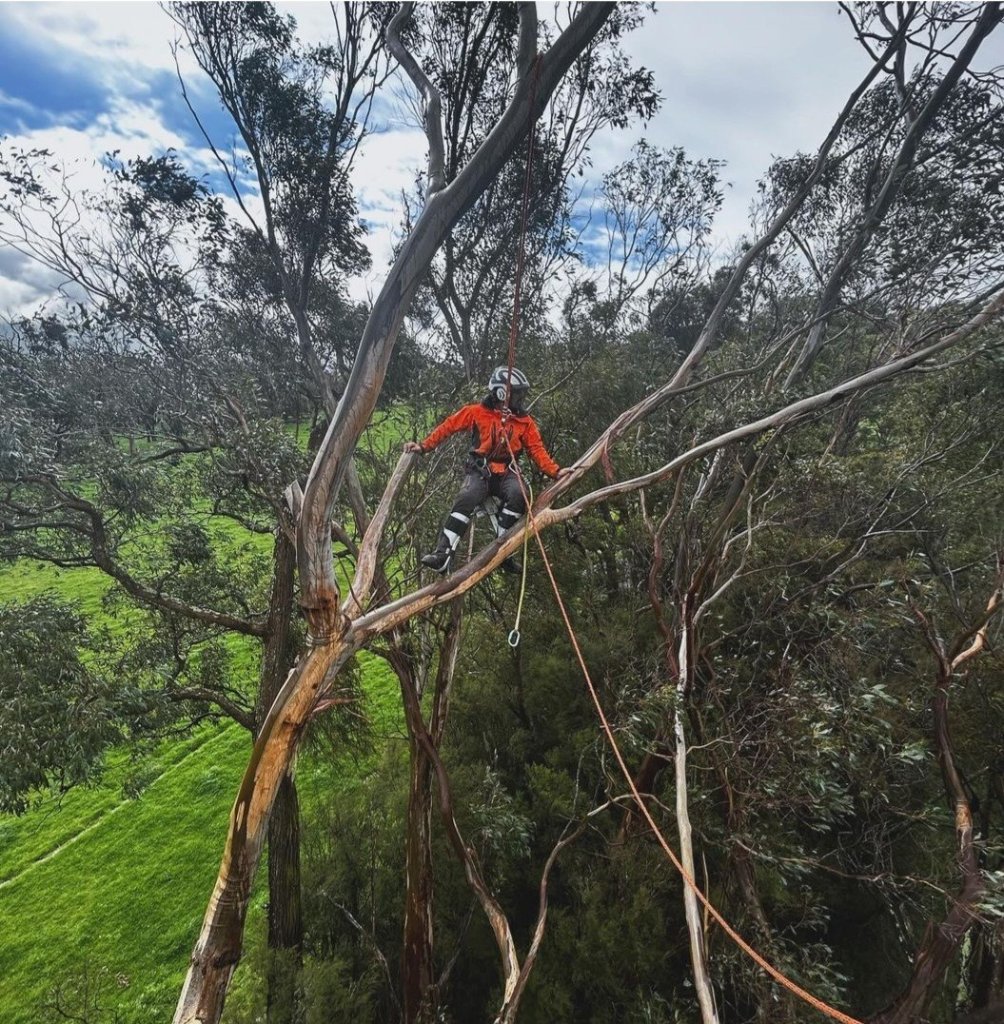
Tree Removal in West Pennant Hills
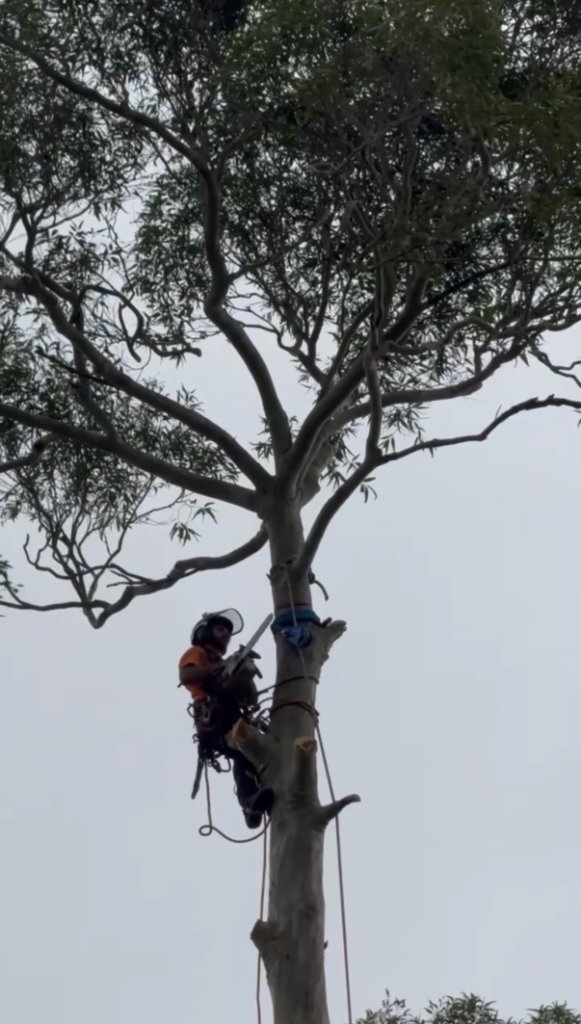
Tree removal in West Pennant Hills demands a methodical, risk-assessed approach, and that's exactly what our qualified arborists bring to every site across the Sydney region. We dismantle hazardous trees piece by piece using advanced rigging and lowering techniques, ensuring heavy timber is controlled at all times to protect your home, fencing, and surrounding landscape. Whether you need an emergency removal after storm damage or a planned felling for a development application, our West Pennant Hills tree removal service covers hazard assessments, council permit guidance, and full site reinstatement across The Hills District. If you're searching for reliable tree removal West Pennant Hills locals trust, request a free quote today, and we'll assess the tree, explain the process, and provide a transparent, no-obligation estimate.
- Stump grinding available on request
- Full site clean-up and green waste removal
- Council permit assistance where required
- Direct canopy access to confined spaces
On every West Pennant Hills removal, 100% of green waste is chipped on-site and repurposed as mulch, keeping your project closed-loop and landfill-free.
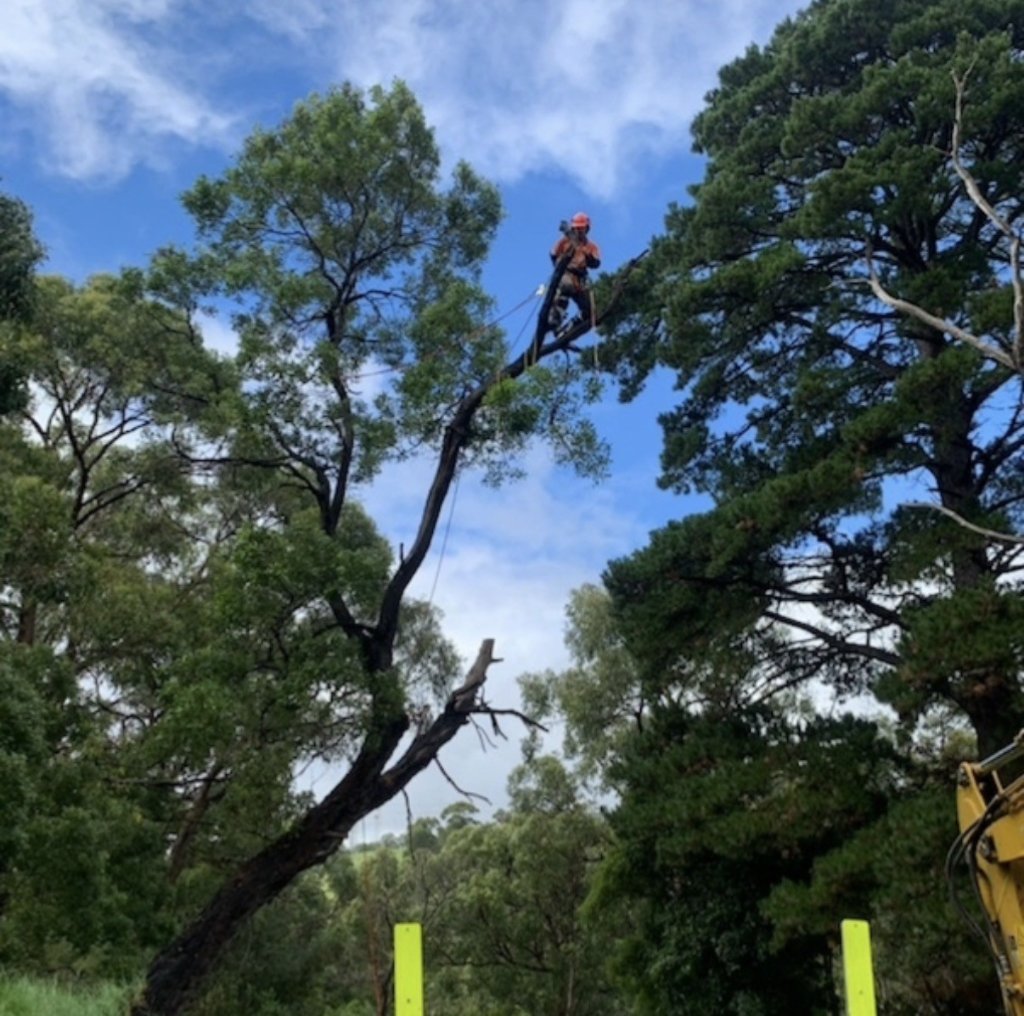
Pruning & Shaping in West Pennant Hills
Whether it's lifting a canopy for clearance, thinning for light, or deadwooding for safety, our West Pennant Hills arborists tailor every pruning program to the species, site, and your goals. We use correct pruning cuts, just outside the branch collar, to promote rapid wound closure and prevent the decay pathways that poor cutting introduces. Looking for expert tree pruning in West Pennant Hills? We combine species knowledge, structural assessment, and correct technique to deliver results that improve both safety and appearance. Book a professional pruning assessment in West Pennant Hills and give your trees the structural care they need to thrive for decades.
- Species-appropriate technique selection
- Crown thinning, lifting, and reduction
- Deadwood removal for safety
- Formative pruning for young trees
By retaining canopy and avoiding over-pruning on West Pennant Hills trees, we protect the habitat, shade, and biodiversity your garden supports.
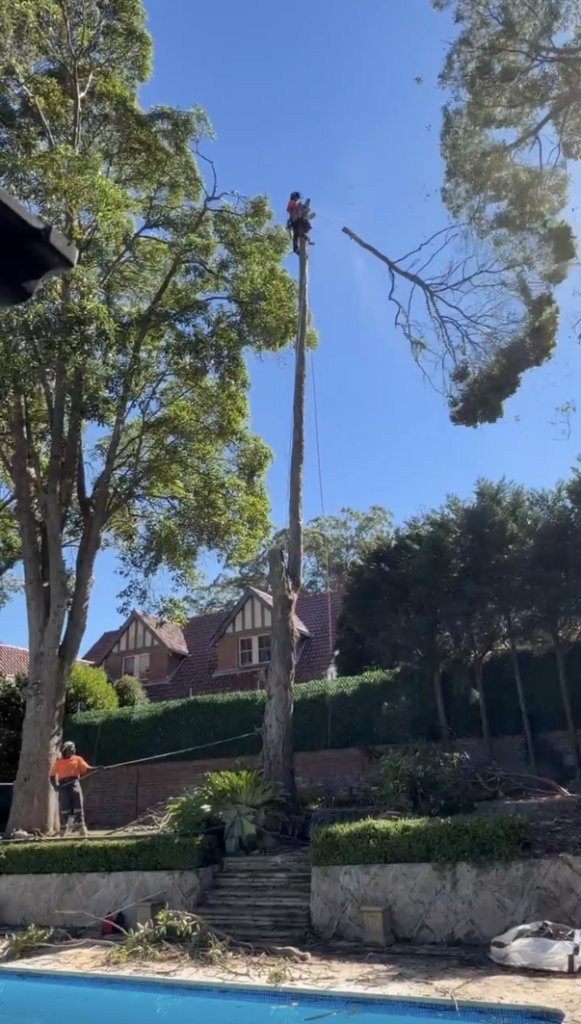
Tree Lopping in West Pennant Hills
Overgrown limbs encroaching on your West Pennant Hills home don't always mean removal. Our arborists use selective lopping to reduce height and spread while keeping the tree structurally sound. After lopping work on your West Pennant Hills property, we recommend a follow-up pruning cycle to manage regrowth and prevent the weak, densely-attached regrowth that poor lopping creates. Our West Pennant Hills tree lopping is always purpose-driven: clearance, risk reduction, or size management, never indiscriminate cutting that compromises the tree. Contact our West Pennant Hills team to discuss targeted lopping that manages overgrowth while keeping your trees healthy and structurally sound.
- Boundary and overhang management
- Follow-up pruning cycle recommended
- Clearance from power lines and structures
- Storm damage prevention
By reducing rather than removing trees on West Pennant Hills properties, we retain the shade, habitat, and carbon-sequestration benefits your canopy provides.
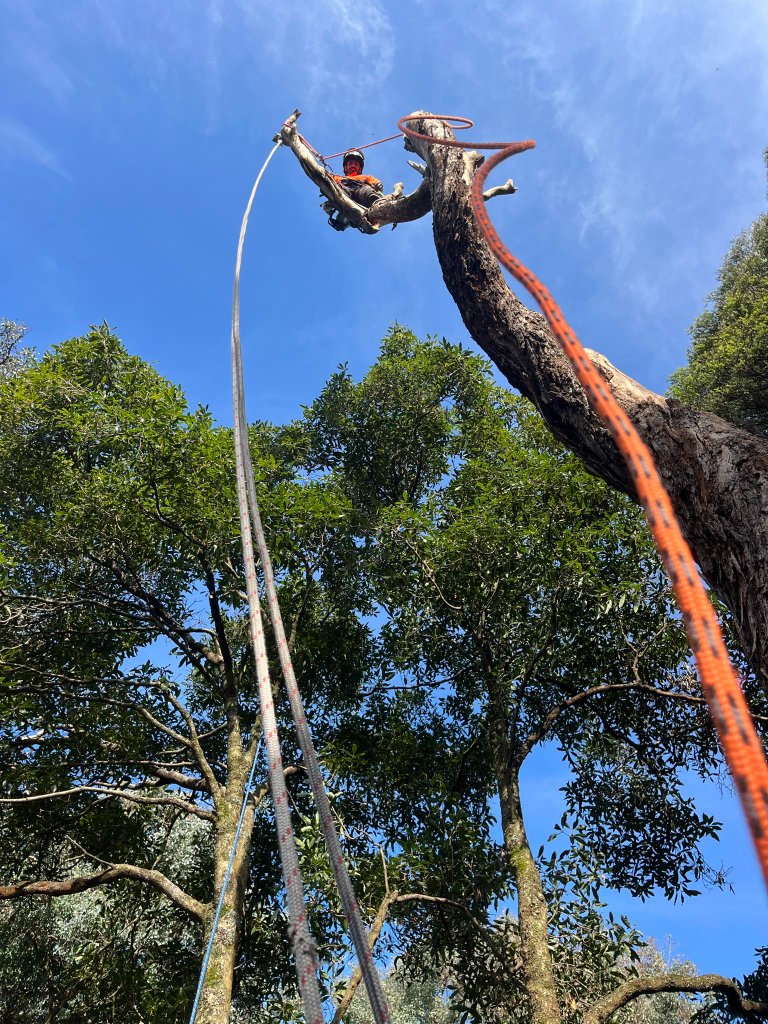
Palm Clean-Up in West Pennant Hills
Palms are a defining feature of the Central Coast and Sydney landscape, but dead fronds, seed pods, and accumulated debris create fire hazards and harbour pests. Our palm clean-up service includes full frond removal, de-nutting, seed pod clearing, and optional trunk skinning. We service all palm species including Cocos, Washingtonias, Date Palms, and Bangalows.
- Dead frond and seed pod removal
- Fire hazard reduction
- Pest and vermin deterrent
- Trunk skinning for a clean aesthetic
Regular maintenance keeps palms healthy and reduces pest harbourage naturally.
Mulching in West Pennant Hills
Every branch and limb we remove gets a second life. Our industrial wood chipper processes all green waste on-site, producing high-quality mulch that can be spread across your garden beds or removed entirely. Mulching suppresses weeds, retains soil moisture, and returns nutrients to your soil — it's the most environmentally responsible way to handle tree waste.
- On-site chipping of all green waste
- Mulch spread on garden beds or removed
- Weed suppression and moisture retention
- Nutrient recycling for healthier soil
100% of green waste is repurposed — zero waste to landfill on every job.
Emergency Tree Services in West Pennant Hills
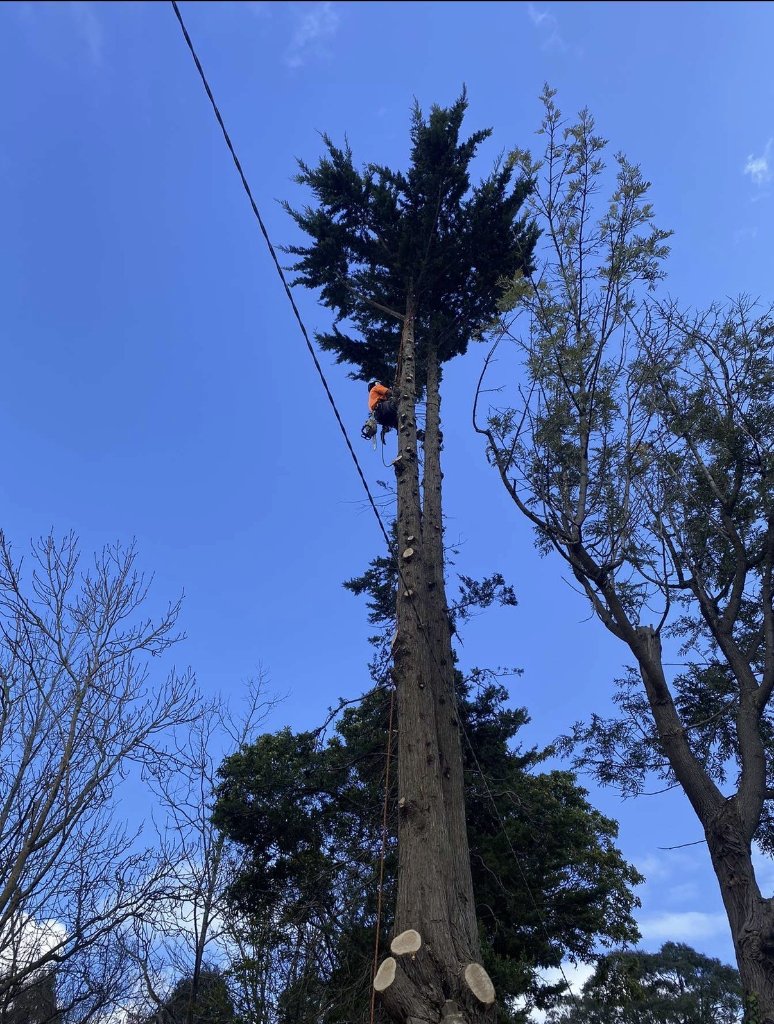
Storms and sudden failures don't keep business hours, and neither do we. Our West Pennant Hills emergency tree service operates around the clock, dispatching qualified arborists to secure dangerous trees across the Sydney region. We clear driveways, footpaths, and access points as a priority, then fully remove and chip all resulting green waste so your property is left safe and tidy. As a fully insured arborist servicing West Pennant Hills, our emergency work is carried out to Australian Standard AS 4373, giving you compliance and confidence when it matters most. For fast, professional emergency tree services in West Pennant Hills, call us any time, day or night, and we'll dispatch a qualified arborist to make your property safe.
- Coordination with emergency services where required
- Full green waste removal and site clean-up
- AS 4373 compliant emergency work methods
- 24/7 rapid emergency response
Wherever safe, we retain standing habitat trees and recycle all cleared storm debris, minimising landfill on every emergency call-out.
Tree pruning, lopping and removal regulations in West Pennant Hills
In West Pennant Hills, tree work is governed by The Hills Shire Tree Preservation Order, under the State Environmental Planning Policy (Biodiversity and Conservation) 2021. Consent is required to prune any tree by more than 10% of its canopy, to remove a tree that is not exempt, or to substantially alter soil levels within 3 metres of the trunk. Work that does not need approval includes: Priority weeds declared under the Biosecurity Act; Trees grown for their fruit; Trees listed on Council's exempt species schedule. The NSW RFS 10/50 Vegetation Clearing Code applies to parts of The Hills Shire. In eligible bushfire-prone areas you may clear trees within 10 metres and vegetation within 50 metres of your home. Check your property on the RFS 10/50 online tool before clearing. Unauthorised removal, damage or lopping of a protected tree can attract fines of up to $1.1 million. We work to Australian Standard AS 4373 on every job in West Pennant Hills and can advise on whether your tree is exempt or needs a permit. Call us for guidance specific to your property.
For more information, view our full legislation guideLocal Tree Context: West Pennant Hills
Every suburb has its own canopy, soil, and pest pressures. Here is what shapes tree care in West Pennant Hills, The Hills District.
Native Trees of West Pennant Hills
Older West Pennant Hills properties often feature heritage Grey Gums and Forest Oaks, large, deep-rooted natives that generally hold up well but benefit from a periodic structural assessment. The native canopy in West Pennant Hills is dominated by tall eucalypts, particularly Sydney Blue Gum, Blackbutt, and Smooth-barked Apple, species that define the skyline but demand careful management as they reach maturity.
Soil & Growing Conditions in West Pennant Hills
Reactive clay areas in West Pennant Hills expand and contract with the seasons, and we factor this movement into how we manage trees close to foundations and retaining walls. Much of West Pennant Hills sits on the typical Hawkesbury sandstone-derived soils of the The Hills District, shallow, rocky, and fast-draining, which limits root depth and can destabilise tall trees in storms.
Pests & Diseases to Watch in West Pennant Hills
Mistletoe infestations in West Pennant Hills eucalypts draw nutrients from the host and, in heavy loads, signal and accelerate decline that we monitor closely. Palm diseases such as fusarium wilt and bud rot can affect the Cocos and Bangalow palms common in West Pennant Hills, and early diagnosis is critical to prevent spread.
Local Tree Care Insight for West Pennant Hills
The leafy, established character that draws people to West Pennant Hills is worth preserving, so we lean toward retention and good pruning wherever a tree can be made safe. Local knowledge of West Pennant Hills council requirements means we can move quickly from quote to compliant work, keeping your project on schedule.
Get a Free Quote in West Pennant Hills
Tell us about your tree and we'll provide a no-obligation estimate — usually within 24 hours.